


A strict oral health routine is crucial, it helps you to speak clearly, chew and swallow and therefore taste food, express your feelings through smiling, and remain pain free, helping you to keep your teeth for a lifetime. There are lots of steps involved in keeping your teeth healthy. The first is to brush your teeth twice a day using a fluoride toothpaste, which is what protects teeth from decay by strengthening the enamel. The next step is to floss after you brush, removing plaque and food particles from between your teeth. The third step is to visit a dentist for regular check-ups and a professional cleaning. But why are regular dental checkups important?
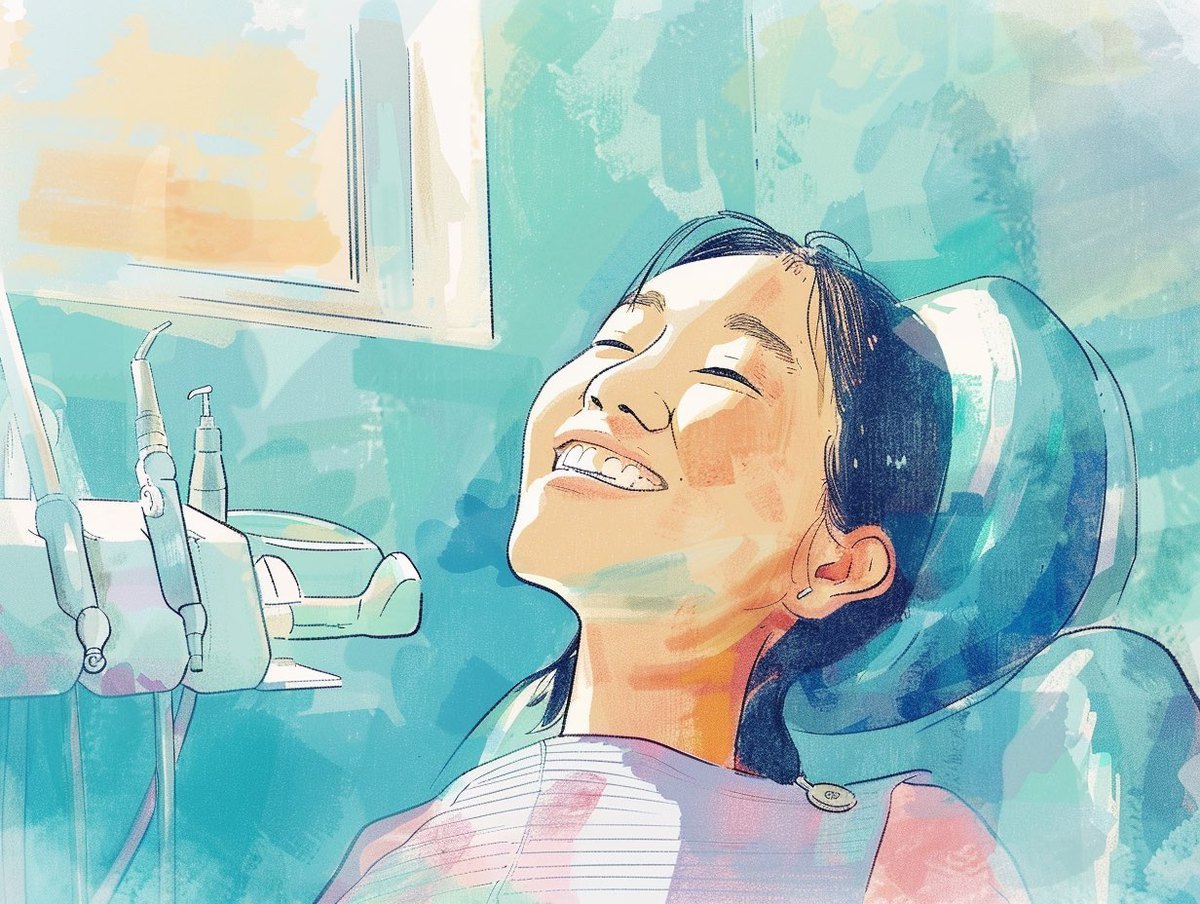 The importance of regular dental checkups
Regular dental checkups are essential for maintaining good oral health, preventing dental issues and improving your overall wellbeing.
Preventing Gum Disease
When you go for your regular dental checkups the dentist will check to make sure there are no signs of gum disease and if there are, they will recommend treatment to help eradicate the disease. They will also keep track of your gum health over time and recommend ways to improve your oral hygiene. Gum disease can result in tooth loss, so it important you do everything you can to avoid it.
Preventing Dental Issues
By going to the dentist regularly for checkups you can prevent dental issues before they arise. Regular dental checkups can enable early detection of potential dental problems, allowing you to treat the issue to prevent it from becoming a problem. A qualified dentist can detect gum disease, oral cancer and cavities, among other things. Detecting and treating these sooner rather than later will prevent the problem from worsening, and save you from pain and discomfort in the future.
Professional cleaning
As well as checking your teeth and gums for any decay or signs of disease or infection, a dentist will also give your teeth a professional cleaning. Even with the best home oral hygiene, you may still find you have dental issues because there are certain areas of the mouth that are hard to clean and things like a tartar build up is difficult to remove with just brushing and flossing alone. A professional dental cleaning will eliminate any tartar build up and help to protect you from tooth decay and gum disease.
Improving overall wellbeing
Our oral health is directly linked to our overall wellbeing. Poor dental health has been associated with medical conditions such as diabetes, respiratory problems and heart disease. Ensuring you have regular dental checkups can help to reduce the risk of developing chronic diseases.
Customised oral health care
As well as a checkup and a professional cleaning, a professional dentist will also be able to provide you with a customised oral health care plan, based on your physical and dental health. This personalised plan could include modifications to your diet, a change in habits, and a new hygiene routine.
 How often should you book a dental checkup?
Typically speaking, you should make an appointment every six months to see your dentist for a checkup. However, your dentist may recommend a different schedule for you depending on your personal oral health and any problems you may have. This being said, if you experience any dental issues including tooth sensitivity or pain between your scheduled appointments, you should book an appointment with your dentist to have this checked out. Issues include: loose teeth, any swelling or discolouration of your gums, bad breath or a bad taste in your mouth that won’t go away, headaches that are typically worse in the mornings, and/or a lump, swelling or numbness in your jaw, lips, cheek, tongue, or any other areas of your mouth.
What does a dental checkup involve?
Before they do anything, a dentist will usually ask you some questions about your lifestyle, such as if you smoke, what your diet is like etc. They will also take x-rays of your mouth which will help your dentist see if there are any cavities or issues with your teeth or gums that aren’t visible in the examination. Next, they will examine your gums and teeth for any evidence of disease. Finally, they will clean your teeth, using a scaler to remove any tartar, polishing your teeth to remove stains, and sometimes they may offer you an optional fluoride treatment to prevent cavities.
Tips for maintaining your oral health
Other tips for maintaining your oral heath include avoiding habits that can stain your teeth, such as smoking which also increases your chance of gum disease. Eat a well-balance diet, including limiting things like tea and coffee, sweets and sugary drinks. You should also drink fluoridated water, which will protect your teeth throughout the day, you can check the level of fluoride in your water with your water utility company. If you are pregnant or planning to become pregnant, you should book in for a check-up because hormonal changes can cause gums to swell and bleed, and increase the chances of you developing gingivitis.